

Wat Buddha : ค้นหาหนังสือธรรมะ หน้า 9 / 12
หน้าหนังสือทั้งหมด
32
The Role of Mahā pajā pati Gotaṃi in Early Buddhism
21 Mahā pajā pati Gotaṃi was the younger sister of Queen Mahā mā yā the Buddha’s mother, and was also the wife of King Suddhodana. After Mahā mā yā’s death, she became the Buddha’s foster mother. The
Mahā pajā pati Gotaṃi, sister of Queen Mahā mā yā and wife of King Suddhodana, became the Buddha's foster mother after the queen's death. During the early days of the Buddha's teachings, she advocated
24
The Motives and Challenges of Ordination
Even when the individual knows about the benefits of ordination, it is no small task to give up family and worldly possessions for the sake of Dhamma. The individual must have a strong inner desire, l
The text discusses the difficulties faced by individuals when choosing ordination, which requires strong inner desire and familial support. It recounts the story of Lord Buddha's own decision to ordai
34
ศึกษาเกี่ยวกับพระพุทธศาสนาและสัญลักษณ์ต่าง ๆ
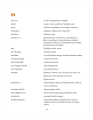
พยาบาท ill-will; vengefulness; vengeful
พรรษา a year; rains residence, Buddhist Lent
พรม (Brahma) inhabitant of the higher heavens
พรหมจรรย์ celibacy; celibate life; chaste life
พรหมโลก B
บทความนี้กล่าวถึงแนวคิดในพระพุทธศาสนาเช่น พยาบาทและพรรษา พร้อมให้ข้อมูลเกี่ยวกับการที่พระพุทธศาสนาช่วยส่งเสริมคุณธรรมในชีวิต เช่น ความรักและความเมตตาผ่านพระวิหาร 4 และการรับรู้ถึงพระธรรมภายในตัว. นอกจ
56
The Story of the Disciples of Non-Buddhist Teachers
6 The Story of the Disciples of Non-Buddhist Teachers
While residing at the Jetavana Monastery, the Buddha spoke these verses, with reference to some disciples of the Titthis (non-Buddhist ascetics).
In the context of the Jetavana Monastery, the Buddha narrates a tale involving disciples of non-Buddhist ascetics known as Titthis. These disciples prohibited their children from mingling with those o

58
The Story of the Disciples of Non-Buddhist Teachers
56
Clear-minded Youths - 6 The Story of the Disciples of Non-Buddhist Teachers
The Buddha then told the boy to tell the non-Buddhist boys to come and have water at the monastery.
The parents of th
This passage discusses an encounter where the Buddha encourages non-Buddhist youths to embrace his teachings. Their parents, initially distressed by their disloyalty, are persuaded to send the boys to
60
The Visit of the Buddha to Ugga's Home
The next day, the Buddha came to the house of Ugga, the father-in-law of Culasubbadda. The Buddha was accompanied by five hundred bhikkhus on this trip; they all came through the air in decorated floa
The Buddha, accompanied by five hundred bhikkhus, visited Ugga, the father-in-law of Culasubbadda. They traveled through the air on decorated floats created by the king of devas, Sakka. The sight of t
3
Garudhamma 8 and Gender Equality in Early Buddhism
Abstract:
Garudhamma 8, What did the Lord Buddha Establish?
by Wilaiporn SUCHARITTHAMMAKUL
This paper deals with the Buddhist outlook on gender issues.
Contemporary feminists have extrapolated moder
This paper investigates the debate surrounding the eight garudhamma and their perceived authenticity in Buddha's teachings, analyzing gender equality in early Buddhism. It reviews claims challenging t
3
Garudhamma 8: Exploring Gender Issues in Buddhism
Garudhamma 8
What did the Lord Buddha Establish?
Wilaiporn SUCHARITTHAMMAKUL
Abstract
This paper deals with the Buddhist outlook on gender issues. Contemporary feminists have extrapolated moder
This paper examines the Buddhist perspective on gender issues, particularly the eight garudhamma, which have been contested in modern debates around gender equality. It investigates whether these teac
33
The Buddha's Teachings on Sensory Pleasures
6. Eating a poisonous fruit: The pleasures of the five senses can be compared to a poisonous fruit. The hedonist, in his greed eats the fruit and must endure the ensuing pain and upset as the poison t
The Buddha uses various metaphors to illustrate the dangers of indulgence in sensory pleasures. He likens them to poisonous fruits, sharp weapons, and children's toys, highlighting the inevitable suff
49
The Artistry Behind Preaching the Four Noble Truths
3
The Four Noble Truths
The Artistry Behind Preaching the Four Noble Truths
In the Dhammacakkapavattana Sutta as in his other sermons, the Lord Buddha explains not only Dhamma subjects, but the relat
In the Dhammacakkapavattana Sutta, the Lord Buddha presents the Four Noble Truths, emphasizing their interconnected nature. Each Noble Truth is not standalone; they influence and clarify one another.
96
Understanding the Root of Suffering
up, but to get rid of the suffering in a way that it will not grow up again, it is not enough simply to cut off the branches and the twigs — the tree must be completely uprooted — that is craving, the
The text discusses how to effectively eliminate suffering by addressing its root cause: craving. It likens the relationship of craving to suffering to a lion hunted by a hunter, emphasizing that unles
103
The Noble Eightfold Path and Buddhist Sainthood
fold Path diligently to the extent they are prepared to lay down their life for their practice, have the chance to uproot craving from the mind by transcendental extinction — by attaining the various
This text discusses the profound dedication of practitioners of the Noble Eightfold Path, illustrating how some are willing to sacrifice their lives for their spiritual journey. It highlights notable
156
The Tale of Sujāta and the Seven Types of Wives
by the tale of Sujāta, the younger sister of Viṣākha. This lady was the sister in law of Aṇṭhapiṇḍika but was very haughty because she inherited from a wealthy family. She had consideration neither fo
This narrative recounts the tale of Sujāta, who, despite her wealth, was arrogant and disrespectful in her relationships. When invited by Aṇṭhapiṇḍika, the Buddha hears of her conflicts and uses the o
162
Teachings of the Buddha on Nobility and Right Action
ter asking all the monks’ names, the Buddha would ask his. The Buddha knew what he was thinking and asked the man his name. “Ariya” replied the man. In fact, the Buddah didn’t need to be told the man’
In this text, the Buddha teaches that true nobility is defined by one's actions towards living beings. Ariya learns that harming others disqualifies him from being 'noble', resulting in his attainment
182
The Path to Nirvana: Konḍaṇṅa's Journey
It is interesting to consider that although the Buddha taught the same sermon to all five monks in the Pañcavaggiya, it was only Konḍaṇṅa who attained stream-entry as a result. The reason for the diff
In the Pañcavaggiya, the Buddha's teachings resonated uniquely with Konḍaṇṅa, who attained stream-entry due to his extensive past merits and dedication. Born as Mahākāla, a rice-farmer during Vipassi
193
The Subtlety of Dhamma and the Buddha's Vocation
Dhamma in even greater subtlety. The Buddha was later to preach in the Simsapa forest that there were more leaves in the forest than he held in the palm of his hand. The 84,000 units of Dhamma which
The Buddha preached the concept of Dhamma, comparing his teachings to leaves in his hand versus the endless phenomena of enlightenment. He remembered his vow to end suffering, driven by compassion for
103
The Power of Mindfulness
teaching they receive at the temple. If we reach
the truth and guide people in the right way, then
in the end skill in meditation will triumph over
slander. I am not upset by all this controversy
beca
Mindfulness is a practice that involves being fully present and engaged in the moment. This book delves into various techniques for cultivating mindfulness, discussing its profound effects on mental h
25
The Ancient Wisdom of Dhammakaya
An Ancient Secret for the New Millennium
or "The Body of Truth". It is an ancient word which
appears in various versions of Buddhist scriptures
used by various Buddhist traditions, including
the Thera
The concept of Dhammakaya, meaning 'the Body of Truth,' has deep roots in Buddhist scriptures across various traditions, including Theravada, Mahayana, and Vajrayana. Despite its ancient origins, know
3
Propagating Buddhism: A Journey Towards Genuine Peace
Preface
Buddhism had been expounded for over 2550 years in various regions throughout the world. Although the practices have been altered according to the climate, tradition, and culture of each area,
In December 2007, 350 Buddhist monks gathered for the 4th WBSY in Bangkok, focusing on unity in Buddhism. Despite cultural differences, they aimed to propagate peace and true happiness through meditat
81
Effective Ways to Make Resolutions
118. EFFECTIVE WAY
TO MAKE RESOLUTIONS
Luang Por Wat Paknam taught me that the most effective way to make fruitful resolutions was to make them while focusing between their blessings. When they begin
Luang Por Wat Paknam emphasizes making resolutions with a focus between blessings during the blessing chant 'Yadtha'. Visualizing a clear Buddha image aids the resolution process, ensuring they resona